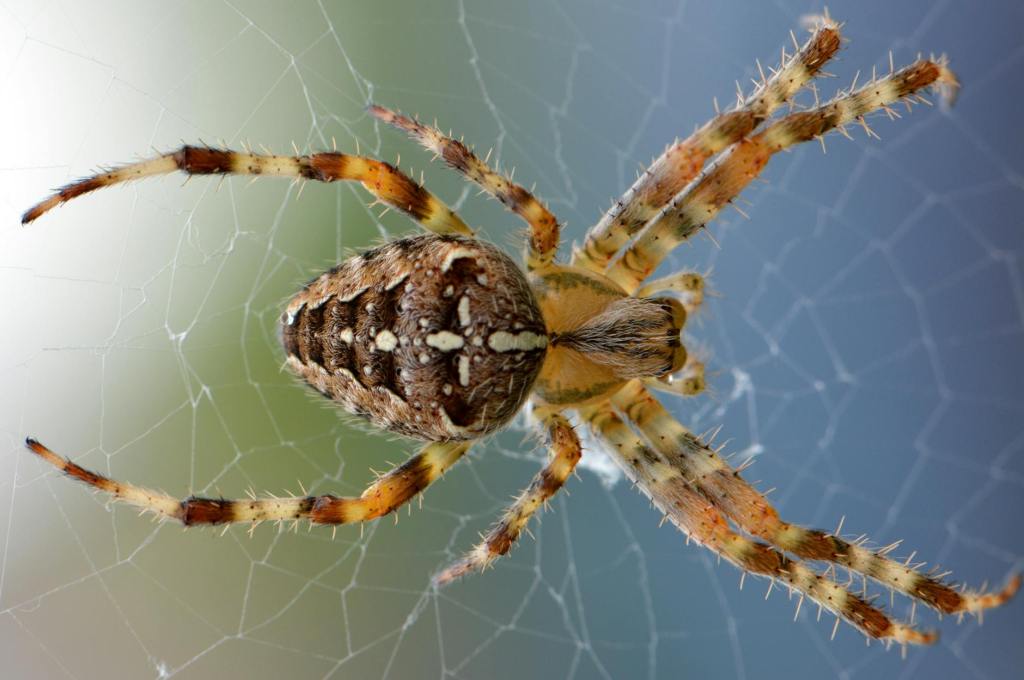
We are the children of the great spider, we carry an ancient legacy of the Samothrace mysteries of the Cabeiri, the people of the great mother goddess Cybele. They of which carried on the great legacy of the Pelasgi, the ancient race of the Mediterranean who built the cyclopean walls. They of which were said to worship all the gods without even mentioning their name. Initiated through song and dance, these people and their secret rites experienced chthonic powers within the cave of mysteries, the womb of the great mother herself. We have become great wisdom keepers and through our web we connect to the web of our ancestors. A never-ending string upon strings carrying vibrations to worlds unseen.
In the picturesque regions of southern Italy, a mystical tradition has long captured the imaginations of locals and scholars alike. Known as Tarantismo, this enigmatic cultural phenomenon entwines the elements of dance, music, and rhythmic healing practices interwoven with indigenous Shamanism. Emerging from the heart of Southern Italy and most notoriously Apulia, Tarantismo is steeped in rich folklore and historical significance. The dance of tarantism is the tarantella in its many varieties and forms most notably the Pizzica. Most Italian Americans know the tarantella as a silly wedding dance but that is the furthest from the truth. It is incredible how through generations of misinformation, prejudice, oppression, and persecution that the expression of this powerful tradition still somehow made it to America with Italian immigrants. Albeit in a disembodied form, the tarantella is still synonymous with Italian culture and Italian American culture. Within its rhythmic dance it holds the web of secrets. Within its quick steps is the dance of the spider, within its spins is the whirl of the dove, and within its music is the language of love, remorse, and redemption. A tradition that has its roots in prehistoric times and a tradition that flourished under the watchful gaze of the goddess Diana and the god Bacchus. A dance in honor of the arboreal gods the spirits of nature and the primordial world soul which we are all a part of. All of us connected in the web of life spun by the great Arachne. It is from her bite in the tobacco fields that we experience her power sometimes when we least expect it. Challenging us to the extreme into the very limits of our sanity.
The Great Dance of the Tarantati – La Tarantella
“If You Dance Alone, You Cannot Be Healed”: Relational Ontologies and “Epistemes of Contagion” in Salento (Italy)
-Giovanna Parmigiani
The Tarantella, a lively and rhythmic dance, is deeply intertwined with the tradition of Tarantismo. Emerging from the rich cultural tapestry of Southern Italy, this dance is not merely a form of entertainment but a potent means of healing and spiritual expression. Within the broader scope of the Tarantella, specific variations such as the Pizzica and the Tamurriata hold significant relevance to the practice of Tarantismo.
Pizzica, originating from the Salento region, is particularly associated with the ritualistic aspects of Tarantismo. It is characterized by its fast tempo and the intense, frenzied movements of the dancers, who often enact the symbolic struggle against the venom of the tarantula. The dance serves as a cathartic release, allowing participants to expel their emotional and psychological turmoil through rhythmic motion and music. Traditionally, Pizzica was performed to cure the Tarantata, or those believed to be bitten by the spider, invoking a state of trance and eventual healing.
In contrast, Tamurriatta, hailing from the Campania region, incorporates the use of the tambourine (or tammorra) and is marked by its robust and grounded movements. This dance form emphasizes the connection to the earth and the cyclical nature of life, aligning with the themes of death and rebirth central to Tarantismo. The powerful drumming and dynamic steps of Tamurriatta create a communal atmosphere, fostering a sense of unity and shared experience among the participants.
La Pizzica
Among the various expressions of Tarantismo, Pizzica holds a special place due to its deep-rooted connection with the healing rituals of Southern Italy. Originating from the Salento region, Pizzica is a dance characterized by its energetic and fast-paced movements, set to the vibrant rhythms of tambourines and other traditional instruments. The dance is performed as a therapeutic response to the bite of the tarantula spider, believed to cause a hysterical condition known as tarantism.
The afflicted individuals, known as ‘tarantate,’ would engage in the frenzied dance of Pizzica as a means to expel the venom and alleviate their suffering. The dance serves as a physical and emotional catharsis, enabling the participants to enter a trance-like state where they can confront and transcend their inner turmoil. The symbolism in the dance, with its intense and rhythmic motions, mirrors the struggle between the tarantate and the venomous influence of the spider.
In both its historical and contemporary forms, Pizzica embodies the resilience and adaptability of Tarantismo. The dance has transcended its ritualistic origins to become a symbol of cultural identity and a celebration of life. Today, Pizzica is performed at festivals and gatherings, bringing communities together and preserving the rich heritage of this ancient tradition.
Both Pizzica and Tamurriatta highlight the adaptability and resilience of Tarantismo, demonstrating how these ancient practices have evolved while retaining their core therapeutic and symbolic elements. Through the vibrant expressions of these dances, the legacy of Tarantismo continues to thrive, offering profound insights into the human condition and the timeless quest for healing and connection.
The Pizzica typically is embodied in a 6/8 rhythm, fast and lively which the tradition is synonymous with. It is in fact the spiders dance, as it was believed to be taught to the people by the spider itself.
The Tammurriata is typically a 4/4 rhythm, deep and resononating and at times very erotic. It Is this dance in fact according to one of my teachers, that was once danced outside churches of the Black Madonna, La Madonna Nera, where people would make love around and sometimes within the church itself in the midnight hour.
La Tammurriata
The Tammurriata, a traditional dance from the Campania region of Southern Italy of a 4/4 rhythm and is deeply intertwined with the ancient practice of Tarantismo. This dance, characterized by its use of the tambourine (or tammorra) and its robust, grounded movements, embodies the rich cultural heritage of the region and serves as a powerful means of communal expression. By exploring the Tammurriata and its relation to Tarantismo, we gain insight into the dance’s cultural, historical, and symbolic significance.
The Tammurriata traces its roots to the ancient practices and rituals of Southern Italy, where it emerged as a distinctive dance form. The dance is typically performed during religious festivals, particularly those honoring the Madonna and various saints. The rhythmic drumming of the tambourine, combined with the dynamic and often erotic movements of the dancers, creates a mesmerizing spectacle that captures the essence of the region’s cultural identity.
Historically, the Tammurriata was performed outside churches dedicated to the Black Madonna, known as La Madonna Nera. These performances often took place in the midnight hours, where participants would engage in the dance as a form of spiritual communion and symbolic rebirth. According to tradition, the dance was sometimes accompanied by acts of love-making within the sacred spaces, reflecting the themes of life, death, and renewal that are central to the practice.
Tarantismo, the cultural phenomenon associated with the belief in the healing power of dance, music, and trance, shares a profound connection with the Tammurriata. This ancient practice revolves around the notion that individuals bitten by the tarantula spider, known as ‘tarantate,’ could be cured through frenzied dancing and rhythmic music. The Tammurriata, with its powerful drumming and communal atmosphere, plays a significant role in this ritualistic context.
The Tammurriata’s rhythmic and grounded movements symbolize the connection to the earth and the cyclical nature of life. This dance form emphasizes themes of death and rebirth, aligning with the core principles of Tarantismo. The powerful drumming of the tammorra serves as a driving force, guiding the dancers into a trance-like state where they can confront and transcend their inner turmoil. In this context, the Tammurriata functions as a therapeutic medium, facilitating emotional and psychological healing for the participants.
One of the most striking aspects of the Tammurriata is its ability to foster a sense of unity and shared experience among its participants. The dance brings together individuals from various backgrounds, creating a collective atmosphere where the boundaries between the self and the community dissolve. Through the vibrant expressions of the Tammurriata, the legacy of Tarantismo continues to thrive, offering profound insights into the human condition and the timeless quest for healing and connection.
In modern times, the Tammurriata has transcended its ritualistic origins to become a symbol of cultural identity and celebration. The dance is performed at numerous festivals and gatherings, preserving the rich heritage of this ancient tradition. Today, the Tammurriata continues to captivate audiences with its rhythmic energy and symbolic depth, serving as a testament to the enduring legacy of Tarantismo.
The Tammurriata, with its robust movements and powerful drumming, stands as a vibrant expression of Southern Italy’s cultural and spiritual heritage. Its deep connection to Tarantismo highlights the dance’s symbolic and therapeutic significance, offering a unique perspective on the interplay between tradition, healing, and communal experience. By understanding the Tammurriata and its relation to Tarantismo, we gain a deeper appreciation for the resilience and adaptability of these ancient practices, which continue to inspire and unite communities across generations.
The Taranta of Tarantismo – The Daimones
“I have a divine sign [daimonion] from the god which… began when I was a child. It is a voice, and whenever it speaks it turns me away from something I am about to do, but it never turns me towards anything.”
-Plato’s Apology of Socrates
In the folklore surrounding Tarantismo, several deities known as the Taranta play a crucial role. These mystical figures are often invoked during the rituals, each representing different elements and emotional states. Tarantism has four lines of Taranta known as the water-loving Taranta, the tempestuous or stormy Taranta, the melancholic or sad and silent Taranta, and the libertine Taranta each embody unique characteristics that influence the ritual practices and the behaviors of the afflicted. These entities are hard to describe is there is no word in English that translates. The closest cross-cultural translation for this word would be the lwa of voodou. This is elucidated briefly in the land of remorse by Ernesto de Martino. These enigmatic entities are both personifications of nature, ancestors, the souls of purgatory, and represent innate characteristics that we must refine within our soul and ego. As in the many essays that have come before they have been compared to the ancient Greek Daimones. This is exactly where we get the word demon from in English. However, do not be confused on the terminology is the ancient Greek Daimones were neutral spirits of neither good nor bad nature. In Plato’s Symposium, the priestess Diotima teaches Socrates that love is not a deity, but rather a “great daimōn”. It is this very belief that gives us the modern concept in Christianity of the guardian Angel among other influences. The Taranta, our sacred teachers of nature, can help and harm us. They challenge us and test us to extremes in subject our souls to trials and tribulations. Their nature is often debated among Italians and Italian Americans depending on their interpretation. The closer in time we get to the modern they become venomous creatures that must be stopped however this is only one interpretation with this simplistic focus engineered for healing. They come in the form of many wild animals which the individual possessed by them will act out. Most often they are believed to manifest as spiders, however they may manifest as any number of animal creatures. For example, in Puglia they were most referred to as spiders, snakes, scorpions however in Sicily they were most commonly referred to as cats, dogs, and mules. Because of the widespread belief in regional differences in tarantism, there are also varying interpretations and beliefs. The goal of this chapter is to elucidate their true nature and to bring together a collective understanding of them across the many regions of southern Italy in a cohesive collective consciousness of the tradition. It must be stated that the effects of the poisoning of the Tarantate can last 7 generations. If someone does not come to terms with their personal Taranta and face its trials and tribulations it will last in the genetic memory of the bloodline for seven generations. Poisoning such as this is typically caused by a trauma in either the mother or the father of that bloodline that is passed down. If no one in that line cures the bite it must last 7 generations before it is purified from the spiritual family. This was recorded by Ernesto de Martino in the land of remorse from a Fattuchiera (Sorceress) in an oracular response… “if the Taranta that has stung her has had children, the girl will dance until the 7th generation of its descendants.”
The Taranta
Old Tarante like to dance close to ground, while young ones jump!
1. The ” libertine taranta “, (yellow bile) (sanguine temperament )
2. The ” sad and silent taranta “, (black bile) (melancholic temperament)
3. The ” stormy taranta “, (red blood) (choleric temperament)
4. The ” water taranta ” (blue phlegm) (phlegmatic temperament)
The Taranta are mystical entities central to the Italian folk tradition of Tarantismo, particularly in the region of Southern Italy. They have been collectively called “the souls of purgatory”, thus making them something between nature spirit and ancestor. Tarantismo is a complex cultural phenomenon historically linked to the bite of the tarantula spider, which was believed to cause a condition known as “tarantism.” The afflicted, known as tarantata, would engage in a frenetic dance, accompanied by specific music, to alleviate their symptoms and achieve healing.
In the folklore of Tarantismo, the Taranta are deities or spirits that embody various elements and emotional states, influencing the behaviors and experiences of those affected. There are four primary types of Taranta, each associated with a different element and temperament:
- The Water-Loving Taranta (L’acqua che ama Tarante): Linked to the element of water, this Taranta represents calmness and fluidity. The ritual involves soothing music and graceful movements, promoting serenity and emotional harmony.
- The Stormy Taranta (Il Tempestuoso Taranti): Associated with the element of fire, this Taranta embodies passion and intensity. The ritual features powerful, rhythmic music and vigorous dance, facilitating the release of pent-up energy and achieving inner balance.
- The Melancholic Taranta (Il Malinconico Taranti): Connected to the element of earth, this Taranta reflects a contemplative and sorrowful nature. The ritual includes slow, deliberate movements and melancholic melodies, channeling deep introspection and emotional release.
- The Libertine Taranta (Il Libertino Taranti): Linked to the element of air, this Taranta represents freedom and exuberance. The ritual is vibrant and energetic, with fast-paced music and dynamic dance, promoting joyous liberation and emotional equilibrium.
The Taranta, much like the Loa, are invoked and exorcised through rituals that involve music, dance, and trance-like states. These practices serve as a means of catharsis, allowing the tarantata to express and process their emotional and psychological afflictions. The ritual dance of Tarantismo is not merely a response to a physical ailment but a profound psychosocial mechanism for addressing collective anxieties and individual traumas.
Modern Interpretations, Insights, Innovations and Legacy
Although the prevalence of Tarantismo has diminished over the years, its legacy endures in contemporary Italian culture. Festivals and reenactments keep the tradition alive, paying homage to the historical and cultural significance of the practice. The most notable of these celebrations is the “La Notte della Taranta” (The Night of the Tarantula), an annual music festival held in Apulia that attracts thousands of visitors. Modern interpretations of Tarantismo also explore its psychological and sociological dimensions. Scholars and artists delve into the metaphorical aspects of the tradition, examining its relevance in contemporary discussions on mental health, trauma, and communal healing.
Within this discourse on Tarantismo, we must create a call to action. This call to action is for the tradition itself and to evoke its liveliness. Let us not relegate this tradition to the books and to the past but let us feed the tradition and let it grow and may it branch off with its many practitioners. Let us not be purists And absolutists. Let us live and breathe this tradition and let it speak through us. Let what we have academically be a guide but do not let it dampen your innovation and insights. In order for a tradition to grow and be alive it must adapt and change. It must fit the needs of its practitioners And serve the community.
Building upon the extensive research of Ernesto De Martino, who meticulously documented the rituals and their underlying cultural significance in his seminal work “The Land of Remorse,” we can see how modern perspectives have further enriched our understanding of Tarantismo. De Martino’s anthropological insights highlighted the psychosocial dimensions of the practice, revealing how it served as a conduit for expressing and alleviating the collective anxieties and traumas of the community.
In contemporary times, my personal experiences and observations have unveiled new facets of this age-old tradition. The integration of modern psychological theories with traditional practices has opened up new avenues for healing and self-discovery. Today, practitioners and scholars alike explore the metaphorical implications of Tarantismo, drawing parallels between the ritualistic expulsion of venom and the therapeutic process of unveiling and confronting one’s innermost fears and desires.
Moreover, there has been a resurgence of interest in the music and dance elements of Tarantismo, with contemporary artists reinterpreting traditional melodies through modern instruments and arrangements. This fusion of old and new not only preserves the cultural heritage but also makes it accessible and relevant to younger generations. Festivals such as “La Notte della Taranta” have become a vibrant celebration of this living tradition, attracting thousands of participants who immerse themselves in the rhythmic transcendence of the dance.
Through these modern innovations, Tarantismo continues to evolve, offering profound insights into the human psyche and the timeless quest for healing and connection. By embracing both historical context and contemporary understanding, we can honor the legacy of this tradition while fostering its growth and relevance in our ever-changing world.
Andrea Romanazzi, a distinguished scholar and expert on Italian folklore, has made significant contributions to our understanding of Tarantismo. His work delves deeply into the symbolic and therapeutic aspects of this ancient tradition, offering fresh insights and interpretations that bridge historical context and contemporary relevance. Romanazzi’s innovative approach integrates a profound respect for the cultural heritage of Tarantismo with a fresh and retrospective perspective, shedding light on the ritual’s enduring significance.
In his extensive research, Romanazzi explores how the ritual of Tarantismo serves not only as a response to physical affliction but also as a complex psychosocial mechanism for addressing collective anxieties and individual traumas. He posits that the rhythmic dance and music, central to the ritual, function as powerful tools for emotional expression and catharsis, linked to the death of the arboreal god of nature. The harvest season and the winter as the death of the god and the remorse for his return. By engaging in the frenetic dance, the tarantata taps into a deeply rooted cultural practice that facilitates the release of pent-up emotions and fosters communal solidarity.
Moreover, Romanazzi emphasizes the adaptability and resilience of Tarantismo, highlighting how it has evolved over centuries to remain relevant in different social and cultural contexts. His work underscores the importance of viewing Tarantismo not merely as a historical curiosity but as a living tradition that continues to offer valuable insights into human behavior and healing processes.
Through his scholarship, Andrea Romanazzi has illuminated the rich tapestry of symbolism, mythology, and therapeutic practice that defines Tarantismo. His contributions have significantly enriched the academic discourse on this subject, providing a nuanced and comprehensive understanding of a tradition that has captivated the imagination of scholars and practitioners alike.
There are many other essays and books that are written on the subject of excellent value such as Dances with Spiders: Crisis, Celebrity and Celebration in Southern Italy by Karen Lüdtke, The last tarantula: Dances and rituals in South Italy by Tullia Conte, and Ritual, Rapture and Remorse: A Study of Tarantism and “Pizzica in Salento by Jerri Daboo to name a few.
 Salvatore Guglielmo