Exploring the Roots of Southern Italian Music and Dance: A Tribute to southern Italian culture. Discover history, culture, and a rich devotion to folklore.
The music and dance of the Tarantella in Southern Italy can be traced back to the earliest humans inhabiting the peninsula and its islands. Historically, this was expressed through instruments like frame drums and tambourines, known as Tamburro, Tamburello, and Tamorra, which were originally called Tympanum. These instruments were first utilized as agricultural tools for sowing grains, a task traditionally assigned to women. Following lunar cycles, women would enter the fields to plant the seeds for future harvests. The rhythmic sounds produced by the seeds rattling in goatskin drums laid the groundwork for music and dance tied to nature, as well as various deities such as Diana, Bacchus, Abraxas, Cybele, Attis, Venus, and others. This cultural tradition has roots in the Etruscan, Phoenician, Roman, Greek, Levantine, Egyptian, and even prehistoric civilizations. Over time, this evolved into the Tarantella and its various forms, including Pizzica and Tammurriata.
“Sixteenth-century Jesuits referred to the South as an Italian India.”
The Land of Remorse by Ernesto De Martino
The Tarantella: A Dance of Community, Joy, and Spiritual Depth
The Tarantella is not just a dance; it is a vibrant manifestation of Southern Italian culture that weaves together joy, community, and deeper spiritual significance. This traditional folk dance is characterized by lively rhythms and energetic movements, often performed at festivities and celebrations. Its infectious energy encourages participation and embraces a collective spirit, fostering a sense of unity among dancers and spectators alike.
Everyday Use and Community Embrace
In daily life, the Tarantella serves as a medium for social interaction and community bonding. It is not uncommon to witness spontaneous performances at family gatherings, village festivals, and local celebrations. The dance invites all ages to join in, making it an expression of happiness and collective joy. The rhythmic clapping, foot stomping, and lively melodies create an atmosphere where the community can celebrate life’s moments, big and small, reinforcing social cohesion.
Ecstatic Dance and Somatic Healing
Beyond its festive exterior, the Tarantella holds a profound connection to ecstatic dance and somatic healing. Historically, it was believed to help cure the infamous “tarantism,” a condition thought to be caused by the bite of the tarantula spider. The dance was employed as a therapeutic release, allowing individuals to express pent-up emotions and achieve a state of catharsis through rhythmic movements. Participants engage in spontaneous expression, releasing physical and emotional tension, making Tarantella a vibrant form of somatic healing.
The dance’s fast-paced rhythms and dynamic movements stimulate the body, encouraging an embodied experience that reconnects individuals with their physical selves. This form of dance serves as a ritualistic and therapeutic outlet, promoting physical well-being and emotional clarity.
Philosophy, Spirituality, and Mysticism
The Tarantella’s roots delve into a rich tapestry of philosophy and spirituality. The rhythmic nature of the dance embodies a connection to Earth, echoing ancient beliefs in nature deities and the cyclical patterns of life. Its movements often symbolize the dance of life, love, and the interplay of feminine and masculine energies, reflecting their harmony in the world.
The Tarantella is deeply intertwined with spiritual practices and folklore, where it echoes themes of transformation, ecstasy, and divine communion. The dance can serve as a conduit for reaching altered states of consciousness, where participants feel a deep connection to nature and the sense that the sacred is surrounding them. In this ecstasy, the dancers may experience moments of transcendence, allowing them to tap into their innate creativity and spiritual essence.
The Tarantella is a multifaceted dance that embodies the culture of Southern Italy, showcasing the joys of community celebration while also offering pathways for somatic healing and spiritual exploration. Its lively rhythm unites people in joyous occasions and serves as a transformative vehicle for deeper connection with oneself and the universe making it a cherished tradition that transcends generations.
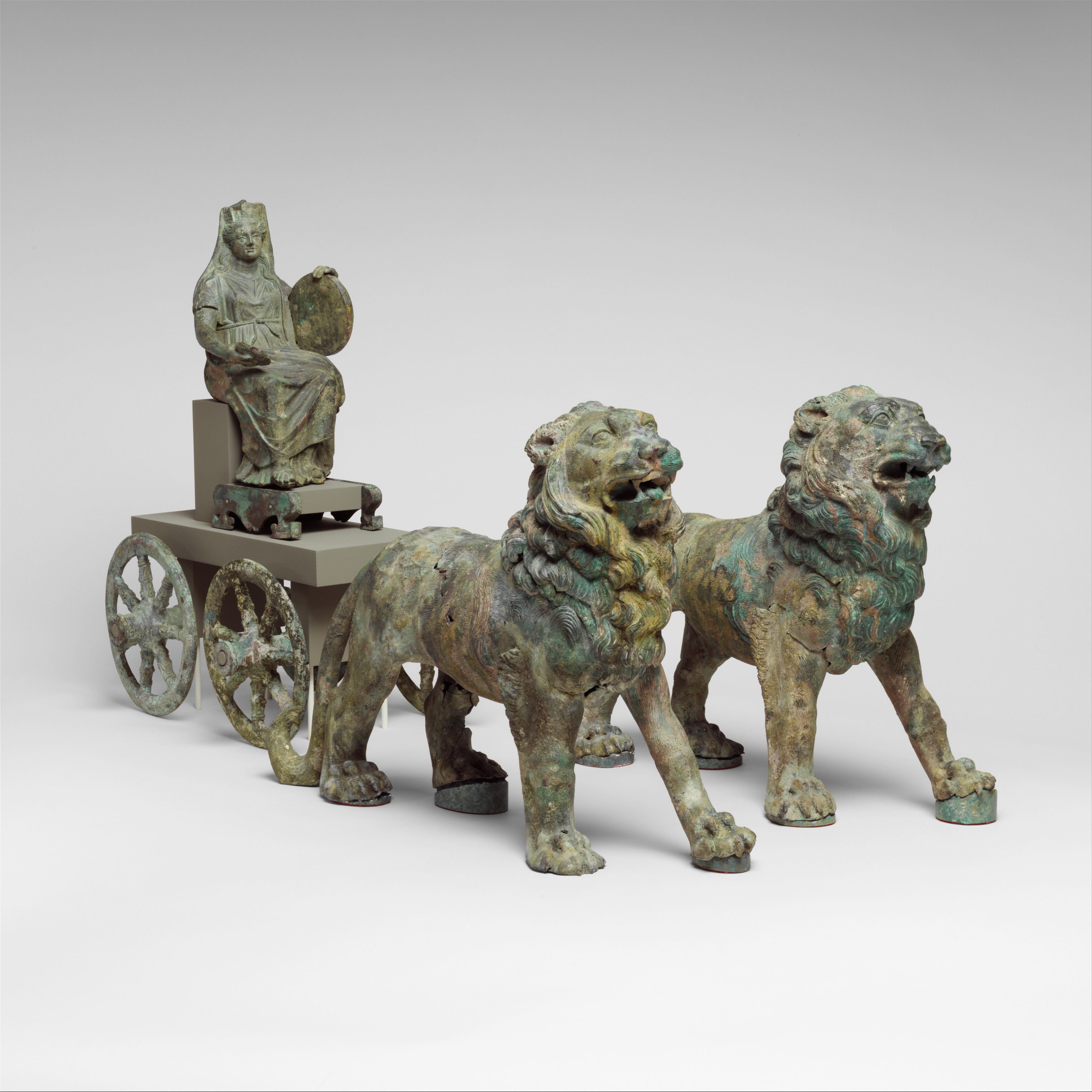
Cybele, goddess of the Trojans and Mother goddess of the Romans was frequently depicted with a frame drum. She is associated with the Greek Rhea, Mother Earth, the Mountain Mother.
https://www.learnreligions.com/cybele-mother-goddess-of-rome-2562630
Tammurriata and the 7 Sisters
Tammurriata is both a dance and song of the drum. It has been proposed that in ancient times it used as form of worship and as a Hieros Gamos (sacred marriage) dance within temples. These dances took place within the Temples of Venus-Aphrodite and others both in worship. Today, it is a courtship dance and folk dance. It is characterized by swaying hips, castanets, fast movements, sensual poses, and more. This dance is part of a larger Mediterranean family of dances. The drumming and castanets that accompanies the dance mimic the rhythms of Earth and the body.
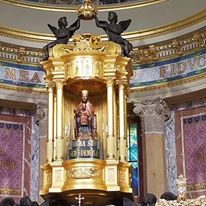
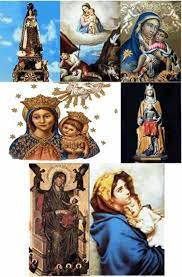
The Madonna of Montevergine (Mamma Schiavona) in myth fled to the mountain of the Virgin where the Temple of Cybele was stood. She was mocked by her other 6 sisters who called her ugly as she was the darkest of them all (lower left in the image). When the people saw her on the mountain, she was radiant, black, and more beautiful than her sisters in reality. The story of the 6 sisters and the 7 wandering sister is prehistoric and has analogues in most cultures around the world. The Greek myth of Atlas and his 7 daughters is one of these analogues. Another legend states that she saved the lives of two gay men who were tied to a tree in persecution of their love. She freed them and lead them to her sanctuary. Since that day, there is a pilgrimage and ceremony of gay marriages in her honor, as these individuals are known as “Femmenielli”, and are considered her sacred children. This is a continued tradition of the Galli, the sacred priests of Cybele were historical priests that served the goddess.
The Madonna of the Hens of Pagani is venerated with live hens. In ancient times, the goddess Hecate was worshiped in this area.
The 7 Sisters…
- La Madonna dell’Arco di Sant’Anastasia (Napoli)
- La Madonna Pacchiana di Castello di Somma Vesuviana (Napoli)
- La Madonna delle Galline di Pagani (Salerno)
- La Madonna dei Bagni di Scafati (Salerno)
- La Madonna dell’Avvocata di Maiori (Salerno)
- La Madonna di Materdomini di Nocera Superiore (Salerno)
- La Madonna di Montevergine (Avellino) also known as Madonna dei ‘femminielli’, protector of homosexuals who are her main celebrants: the origins of the festival are pagan and linked to the myth of Attis and Cybele.
https://www.visitnaples.eu/napoletanita/scopri-napoli/sette-tammurriate-per-sette-sorelle
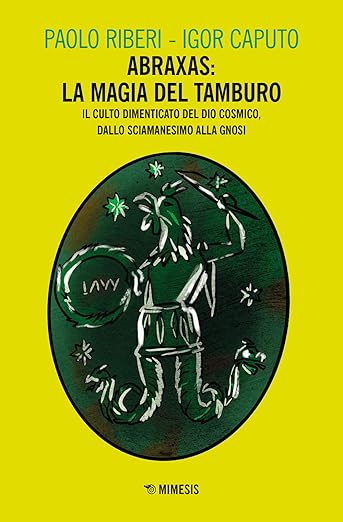
Abraxas: the magic of the drum. The forgotten cult of the cosmic god, from shamanism to Gnosis
Abraxas, a Gnostic god and later demon within early Christianity. He also wielded the frame drum as an instrument of power. An early Christian deity who’s name equals the number 365, was the embodiment of the universe, its creator, preserver, and destroyer.
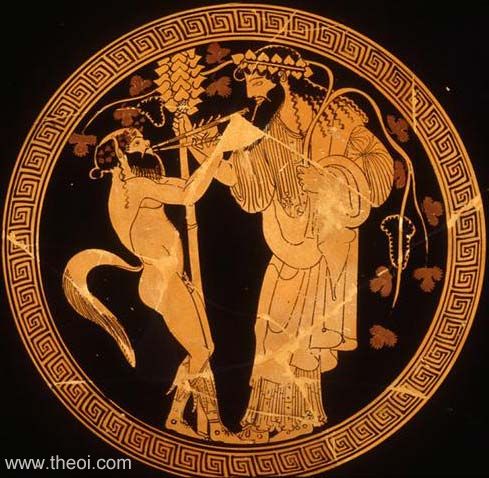
Tarantism: The Legacy of Bacchic-Orphism
This is an insightful article written on the legacy and spiritual history of the tradition
 Salvatore Guglielmo